 VastuVidhi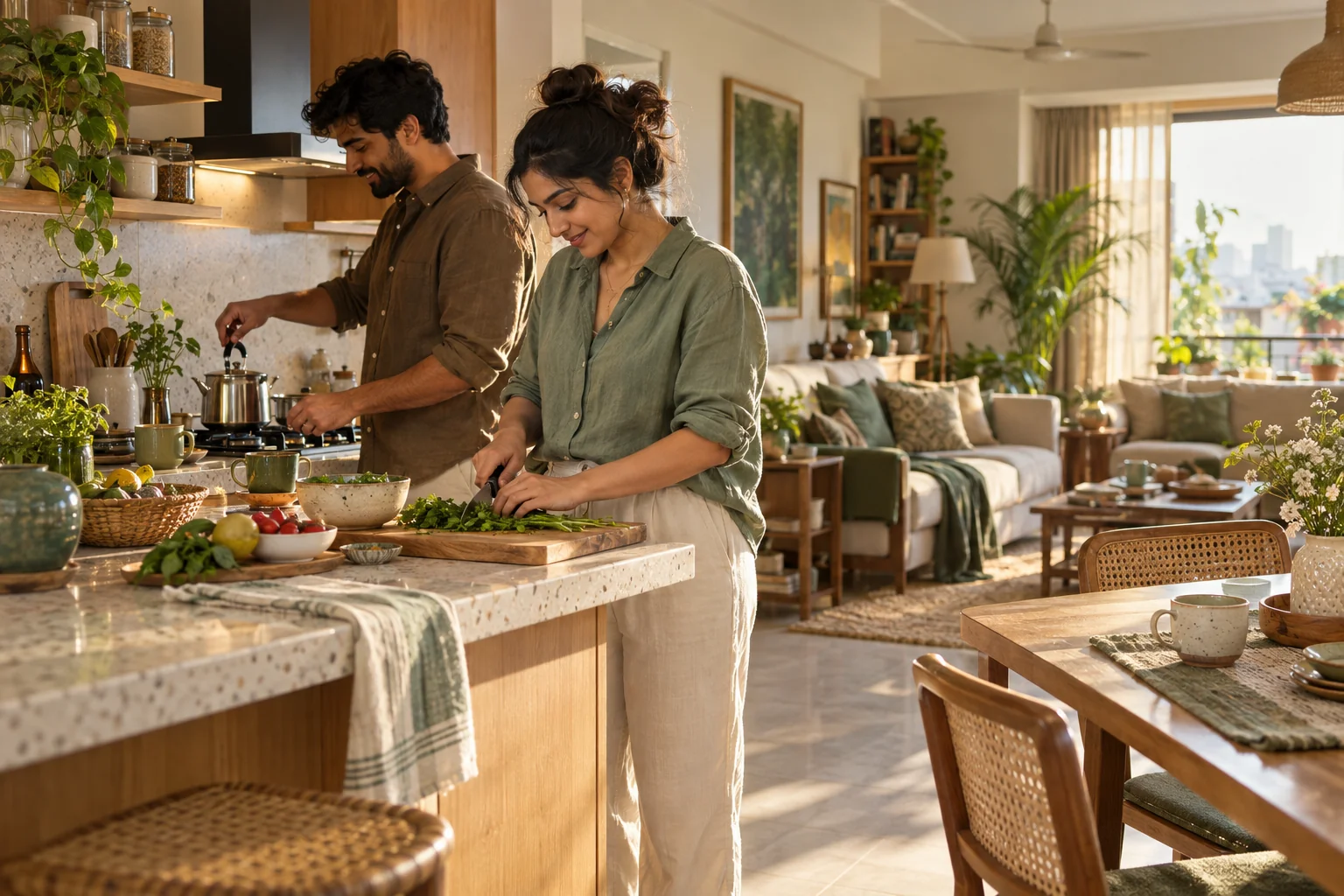
Every home has
a story in its spaces.
Light moves. People gather. Rooms take on a rhythm. Explore the ideas behind Vastu, then decide what makes sense for the home you actually live in.
Begin exploringFrom the first light
to the last room.
Vastu is an architectural tradition about orientation, proportion and placement. The sun, the air and the way a family uses a room are also part of the lived experience of a home. Move through the three chapters below, one idea at a time.
What does
Vastu see?
A directional grid offers a way to ask where activities sit in a home. See how the centre, rooms and entrance relate to the whole.
Explore the Vastu lensWhat does
direction change?
Follow the daylight through a room. Separate what can be observed—sun, shade, heat and air—from traditional meanings.
Follow the daylight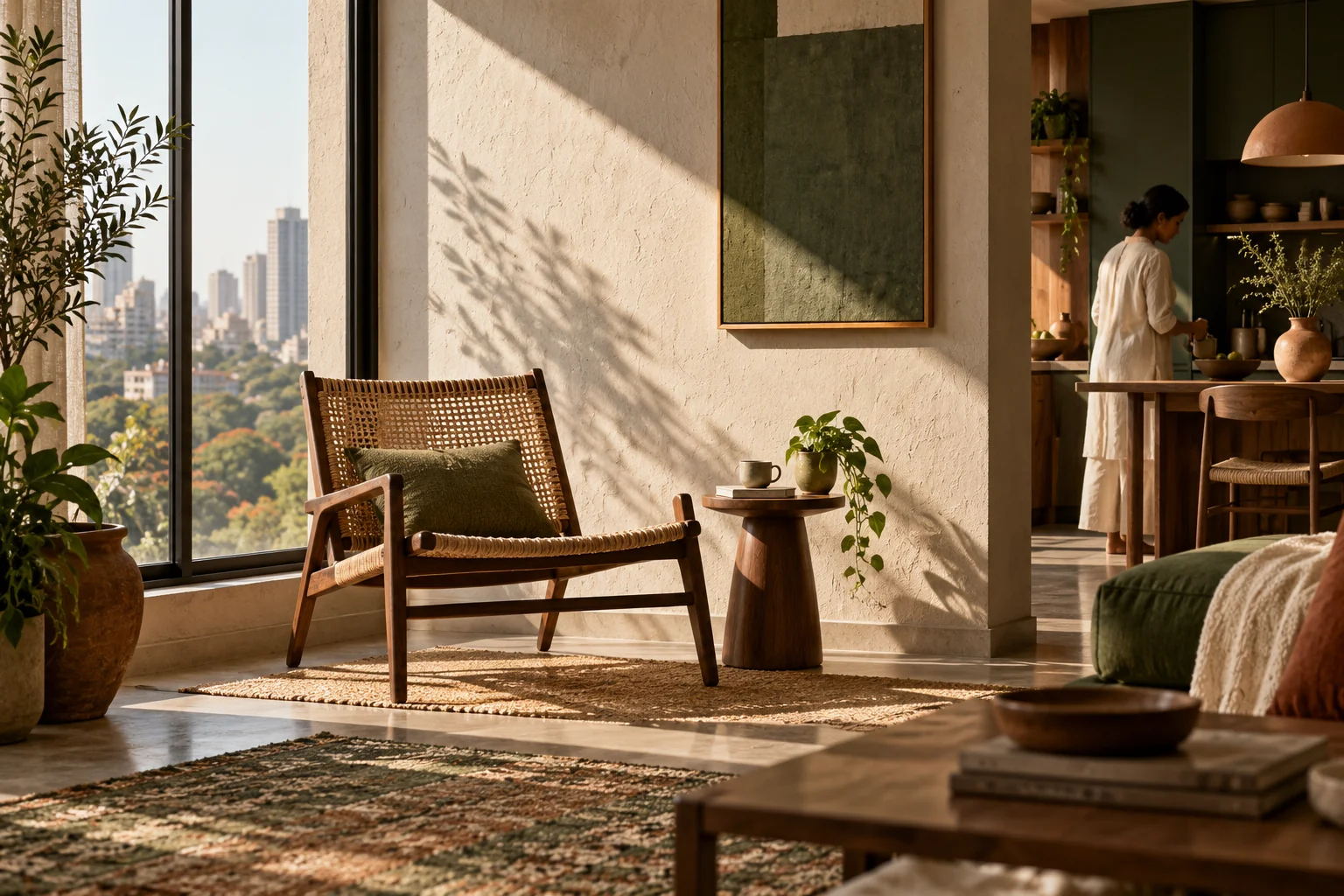
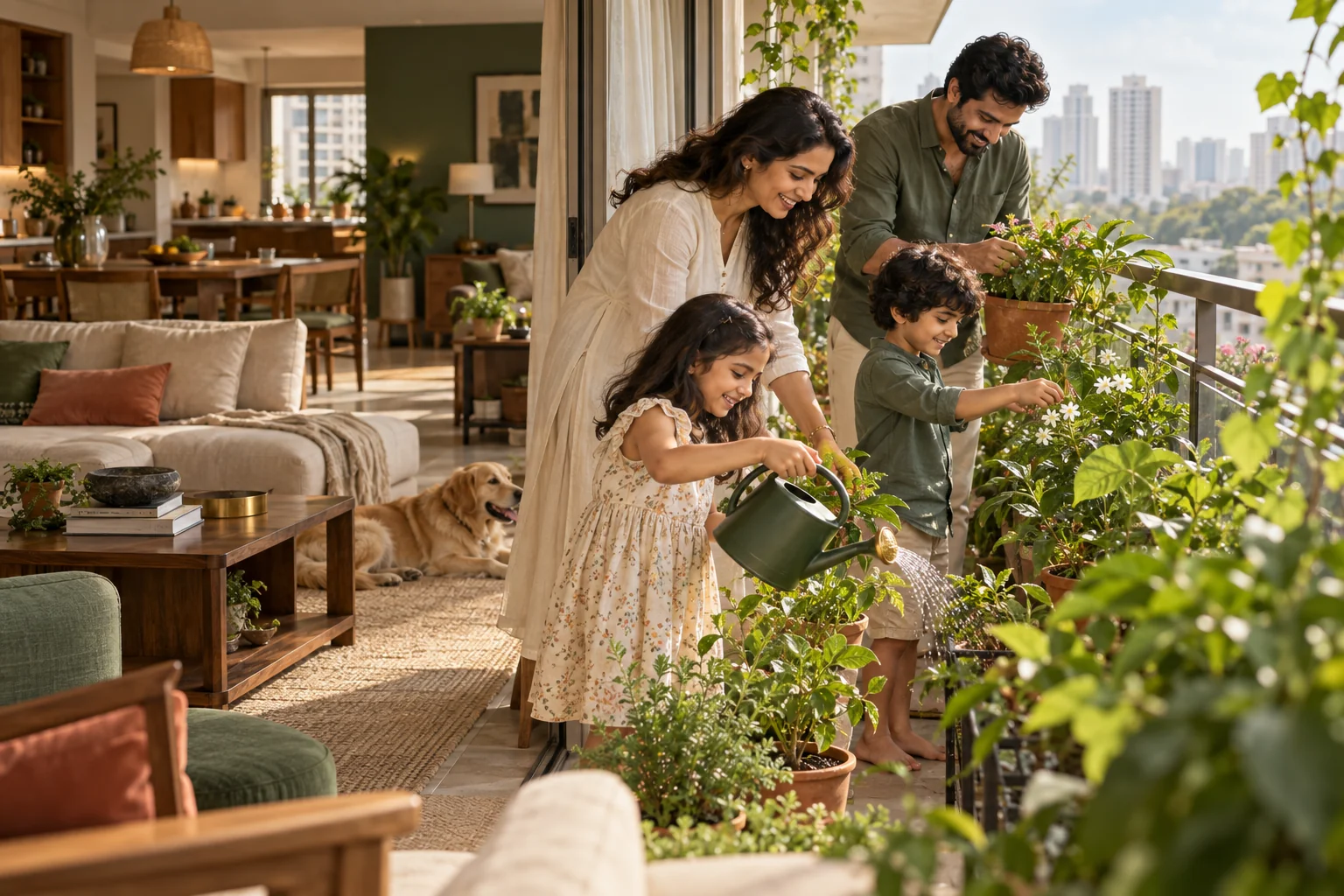
Where do
you begin?
Start with the room you use today. Try small, reversible changes before spending money or thinking about renovation.
Explore room by roomMore questions live in the journal.
Shorter notes on real home decisions, freely available to read.
Visit the journal